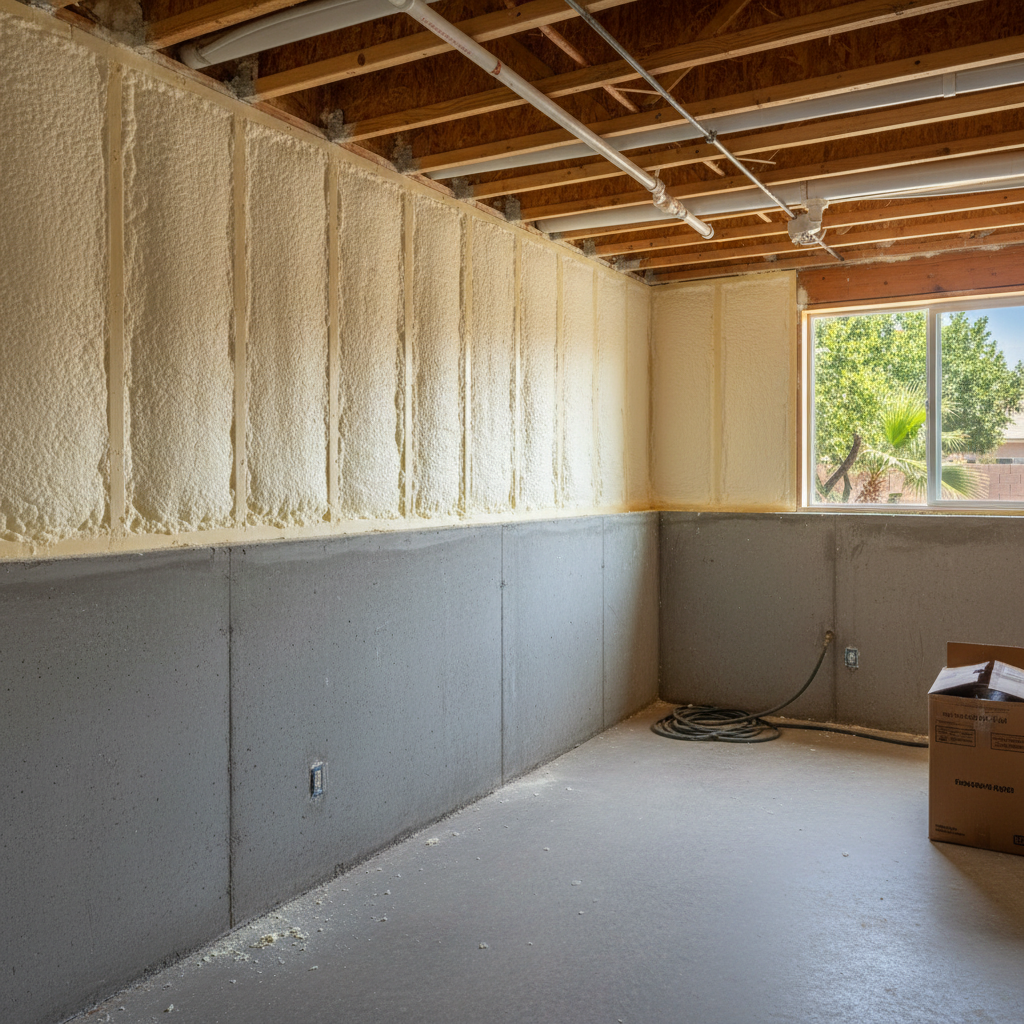
You might not think much about basement insulation here in Chandler, seeing as most of us don't actually have basements in the traditional sense. But a lot of homes, especially in newer developments or custom builds, have conditioned crawl spaces or even underground rooms that function a lot like basements. If you've got one, you know it can be a real pain to keep comfortable and dry, especially with our wild temperature swings.
So, when's the best time to tackle that insulation project? And what do you need to know to make sure it actually lasts?
Timing Your Basement Insulation Project
For basement or conditioned crawl space insulation, I usually tell folks to think about it when the weather's mild. That means spring or fall are your best bets. Why then, you ask?
- It's not scorching hot. Trying to work in a confined space when it's 110 degrees outside is just brutal, and it's not ideal for the materials either.
- It's not freezing cold. While we don't get many truly freezing days, very cold temperatures can affect how some spray foam products cure.
- Humidity is lower. This is a big one for us, honestly. When the monsoon season hits in July and August, the air gets thick. High humidity can cause issues with moisture getting trapped during installation, or it can just make the whole area feel clammy and uncomfortable to work in. We want that space as dry as possible before we seal it up.
If you're doing a full renovation, obviously you'll work it into your construction schedule. But if it's a standalone project, aim for April-May or October-November. You'll get better results, and frankly, it'll be a smoother process for everyone involved.
Weather Conditions That Affect the Work
Like I said, humidity is a big factor. If we've had a lot of rain, or if it's just one of those sticky days, we might need to adjust. For spray foam, the ambient temperature and humidity levels are critical for proper curing. We monitor these things closely, believe me. If it's too cold, the foam might not expand correctly. If it's too hot, it can cure too fast, leading to issues. And if it's too humid, moisture can get trapped — which is exactly what we're trying to prevent.
Another thing to consider is ventilation. Even in a basement or crawl space, we need good airflow during and after the application of certain insulation types. If it's a windy day, that can help. If it's completely still, we might need to bring in more fans to ensure everything airs out properly.
Basically, we're looking for Goldilocks conditions: not too hot, not too cold, not too wet. That's why those shoulder seasons are perfect.
Protecting Your Investment Year-Round
Once you've got that basement or crawl space insulated, you want it to last. Here's what I tell my customers:
- Watch for leaks. This is huge. Even a small plumbing leak can undermine your insulation over time, especially if it's fiberglass or cellulose. With spray foam, it's more resistant, but any standing water is bad news. Check pipes, water heaters, and any exterior entry points regularly.
- Manage humidity. Even with good insulation, a basement can still get damp if you're not careful. Consider a dehumidifier, especially during monsoon season. Keeping that relative humidity below 60% is key to preventing mold and mildew growth. This is especially true in areas like Ocotillo, where some homes might have water features or be close to canals, adding to ambient moisture.
- Keep it clean and clear. Don't stack boxes or store things right up against your insulated walls. Give it some breathing room. And if you've got a crawl space, make sure it stays clear of debris, pests, and anything that could compromise the vapor barrier or insulation.
- Inspect it regularly. It doesn't have to be yearly, but every few years, take a look around. Check for any signs of pest intrusion, water damage, or settling. Catching problems early saves you a lot of headache and money down the line.
Insulating your basement or conditioned crawl space is a smart move for energy efficiency and comfort here in Chandler. Doing it right, and at the right time, makes all the difference. If you've got questions about your specific situation, give us a call at Chandler Spray Foam Insulation. We're happy to take a look and give you an honest assessment.