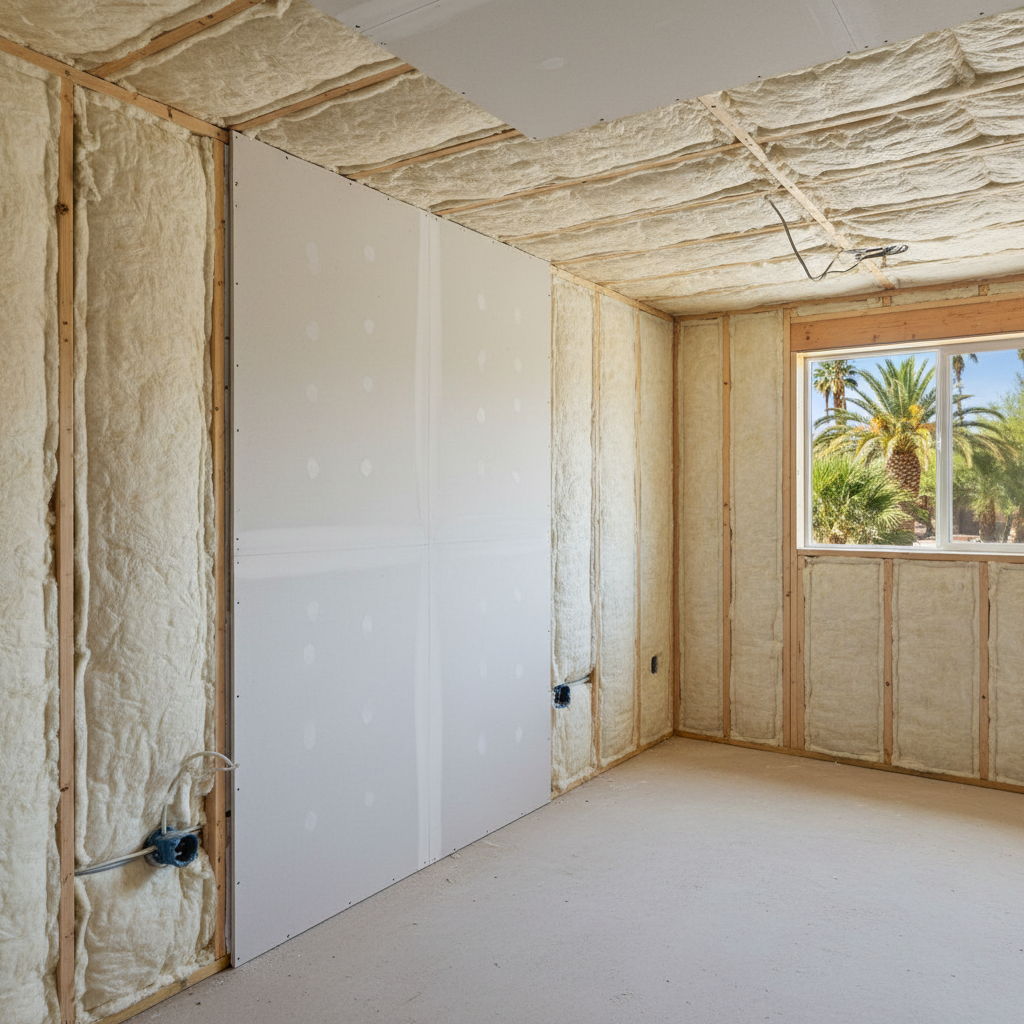
Insulating your basement here in Chandler? That's a smart move. It's not just about feeling cozy; it really makes your whole home more efficient, especially with our long, hot summers and those surprisingly chilly winter nights. But, you know, I've seen plenty of folks make some pretty common blunders. These mistakes often end up costing them more in the long run, or, even worse, they're left with a basement that's still not quite right. So, let's talk about what to watch out for, shall we?
Mistake #1: Not Understanding Your Basement's Moisture Situation
This is probably the biggest one, honestly, and it's a huge deal here in Arizona. Our soil in Chandler, especially that caliche-rich stuff, can really hold onto water. Even if your basement looks dry, there's always some level of moisture vapor trying to sneak in. You just can't slap insulation against a damp wall and expect it to work. You'll end up with mold, mildew, and insulation that just quits doing its job. I've seen that happen more times than I can count. Before you even think about insulation, you absolutely need to check your basement for any active leaks, seepage, or even just high humidity. If you've got standing water or damp spots, that's your first problem to fix, not insulation.
A good contractor will bring this up right away. They'll ask about any past water issues, look for signs of efflorescence (that white powdery stuff on concrete, you know?), and might even suggest a professional moisture test. If they don't mention it? That's a red flag. You might need to sort out exterior drainage, seal cracks, or even consider a dehumidifier before you insulate. Skipping this step is just asking for trouble.
Mistake #2: Choosing the Wrong Type of Insulation for Basements
Not all insulation is created equal, especially when we're talking about basements. I often see people assume that whatever works in their attic will work downstairs, and that's just not true. Fiberglass batts, for instance, are a common choice for walls above ground, but in a basement, they can be a poor fit if moisture isn't perfectly controlled. They can soak up moisture, sag, and lose their R-value, turning into a breeding ground for mold. Yuck.
For basements, you want something that can handle potential moisture and provide a continuous thermal and air barrier. That's why I'm such a big fan of closed-cell spray foam for basements, or rigid foam boards. These materials don't absorb water, they resist mold growth, and they create a tight seal that stops air and moisture from getting in. If a contractor tries to push standard batt insulation without a serious chat about moisture barriers and proper framing, be cautious. You're building a whole system down there, not just filling empty spaces.
Mistake #3: Ignoring the Rim Joists
The rim joists are those pieces of wood sitting right on top of your foundation walls, where your floor joists connect. People often overlook them, but they can be a huge source of air leakage and heat loss or gain. Think of them as the thermal weak link between your basement and the outside world. I've been in plenty of Chandler homes where the basement walls were insulated, but the rim joists were left completely exposed, letting in hot air, dust, and even pests. What a waste!
Sealing and insulating these areas is absolutely critical. Closed-cell spray foam is fantastic for rim joists because it expands to fill every crack and crevice, creating an airtight seal and providing excellent insulation. Don't let a contractor skip this step or treat it as an afterthought. It's a small area, sure, but it makes a massive difference in your basement's comfort and your energy bills.
Mistake #4: Not Considering Future Basement Use
Are you just insulating for energy efficiency, or do you plan to finish your basement down the road? This makes a big difference in how you approach the project right now. If you're going to finish it, you'll need to think about framing, electrical, plumbing, and HVAC. Insulating behind future walls calls for a different approach than just insulating an unfinished space.
For example, if you're going to put up drywall, you'll want to make sure your insulation choice is compatible and that you're leaving enough space for future wiring and plumbing without messing up the thermal envelope. Talk about your long-term plans with your insulation contractor. A good one, like us at Chandler Spray Foam Insulation, will help you plan for the future, even if it's just making sure the insulation won't need to be ripped out later.
Mistake #5: Going for the Cheapest Bid Without Due Diligence
Look, I get it. Everyone wants to save money. But when it comes to something as important as basement insulation, especially in our climate, the cheapest bid can often turn into the most expensive mistake. I've seen homeowners hire someone who cuts corners, uses inferior materials, or just doesn't understand the unique challenges of basement environments.
Always get multiple bids, but don't just compare prices. Compare what's included, what materials they're proposing, and how they plan to address potential moisture issues. Ask for references. Check their licensing and insurance. A reputable contractor will be upfront about their process and materials. If a bid seems too good to be true, it probably is. You're investing in your home's long-term comfort and efficiency, so choose wisely.
By avoiding these common mistakes, you'll be well on your way to a comfortable, energy-efficient, and problem-free basement. Do your homework, ask the right questions, and don't be afraid to walk away if something just feels off. Your Chandler home will definitely thank you for it.