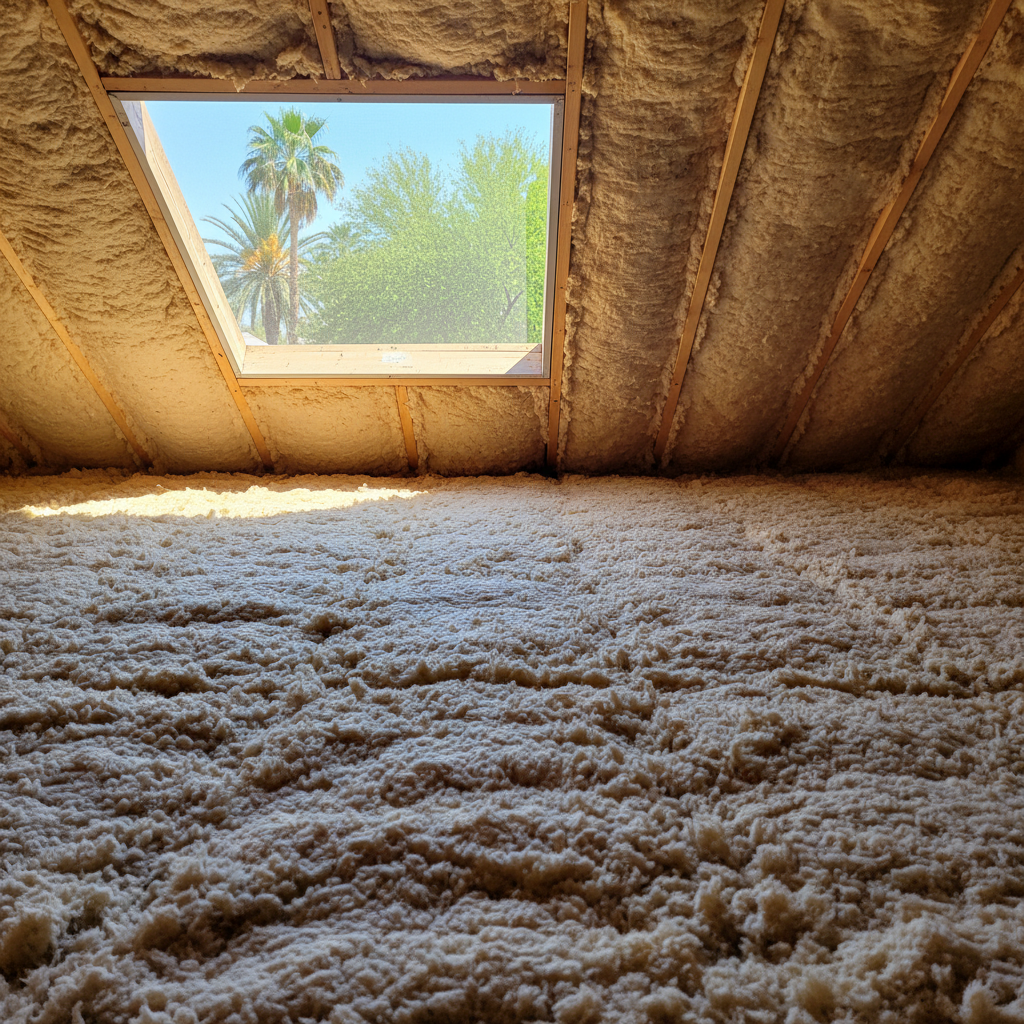
Alright, so you've got blown-in insulation in your attic – maybe it's fiberglass, maybe cellulose. It's doing a great job keeping your house cool when it's 115 degrees outside and warm on those surprisingly chilly desert nights. But like anything else in your home, it's not a set-it-and-forget-it deal if you want it to last and perform its best. You've got to give it a little attention, you know?
Making Your Blown-In Insulation Last Longer
Good news first: blown-in insulation is pretty tough. It's designed to just sit up there and do its job for decades. But there are a few simple things you can do to make sure it actually hits that 20 or 30-year mark, or even longer.
- Keep it dry. This is probably the biggest one, especially here in Chandler. We don't get a ton of rain, but when it comes, it can really pour. Any leaks in your roof will absolutely destroy blown-in insulation. Water squishes it down, ruins how well it insulates, and can even lead to mold. So, get roof leaks fixed right away.
- Don't squish it. Blown-in insulation works because it traps air. If you walk on it, stack heavy boxes on it, or push it down, you're taking away that crucial air space. That means it won't insulate as well. If you need to get around your attic, lay down some temporary plywood paths.
- Protect it from critters. Rodents, birds, and even insects love to nest in insulation. They compact it, tear it up, and leave droppings that create odors and health risks. Seal up any entry points to your attic – think gaps around vents, loose fascia, or even tiny holes.
Regular Check-Ups: What to Look For
You don't need to be up in your attic every single week, but a quick check once or twice a year can save you a ton of headaches and money down the line. I usually tell folks to do it in the fall before it gets too cold, and again in the spring before that real desert heat kicks in.
- Visual Inspection: Grab a good flashlight and just look around. Is the insulation level pretty even across the attic floor? See any dark spots that might point to a water leak? What about flattened areas or little trails that suggest pests have been busy?
- Check for Gaps: Pay extra attention around recessed lights, exhaust fan housings, and plumbing stacks. These are common spots where insulation can shift or get pushed aside, creating "thermal bridges" where heat can easily escape or sneak in.
- Ventilation Check: Make sure your attic vents aren't blocked by insulation. Proper attic ventilation is super important in Chandler's climate; it helps prevent heat buildup and moisture issues. If your soffit vents are covered, you're just trapping hot air up there, making your AC work overtime.
Signs Something's Wrong
Sometimes, your house will actually tell you there's a problem before you even step foot in the attic. Don't ignore these signals:
- Higher Energy Bills: If your AC is running non-stop and your bills are through the roof, and you haven't changed how you use energy, compromised insulation is a big suspect.
- Uneven Temperatures: Are some rooms noticeably hotter or colder than others, especially rooms right below the attic? That's a classic sign of insulation trouble.
- Drafts: Feeling drafts even when windows and doors are shut? It might not just be your windows; air leaks into the attic can create pressure differences that pull conditioned air right out of your living space.
- Strange Odors: Musty smells can mean mold or mildew from moisture issues. A foul odor? That could easily be a dead animal in the insulation.
- Pest Noises: Scratching, scurrying, or chirping sounds coming from above your ceiling are a dead giveaway that you've got unwelcome guests making themselves at home in your insulation.
When to Call a Professional
Look, some things are just better left to the pros. If you spot any of those warning signs, or if your DIY inspection turns up significant issues, it's definitely time to pick up the phone.
- Major Water Damage: If you've had a serious roof leak and a large section of insulation is soaked or stained, you'll probably need professional removal and re-installation. Trying to dry it out yourself often just doesn't work, and you risk mold.
- Extensive Pest Infestation: Dealing with rodents or other pests in your insulation isn't just about cleaning up; it's about safely removing contaminated material, then air-sealing and re-insulating correctly. We've certainly seen some real messes in older homes in areas like Sun Lakes or Dobson Ranch.
- Significant Compression or Gaps: If large areas of your blown-in insulation are flattened or missing, you're losing a lot of efficiency. A professional can assess the R-value, top it off, and make sure everything's covered properly.
- Mold Growth: Never, ever mess with mold yourself, especially if it's widespread. It's a health hazard and requires specialized remediation.
- Persistent High Bills: If you've checked everything else and your energy bills are still inexplicably high, it's worth having an expert do an energy audit. They can pinpoint exactly where you're losing conditioned air and suggest the best solutions, which might mean adding more blown-in insulation or fixing air leaks.
Keeping an eye on your blown-in insulation is a smart move for any Chandler homeowner. It protects your investment, keeps your home comfortable, and saves you money on those brutal AC bills. If you're ever unsure, or if you need a hand with an inspection or an upgrade, that's exactly what we do here at Chandler Spray Foam Insulation. We're always happy to take a look and give you an honest assessment.