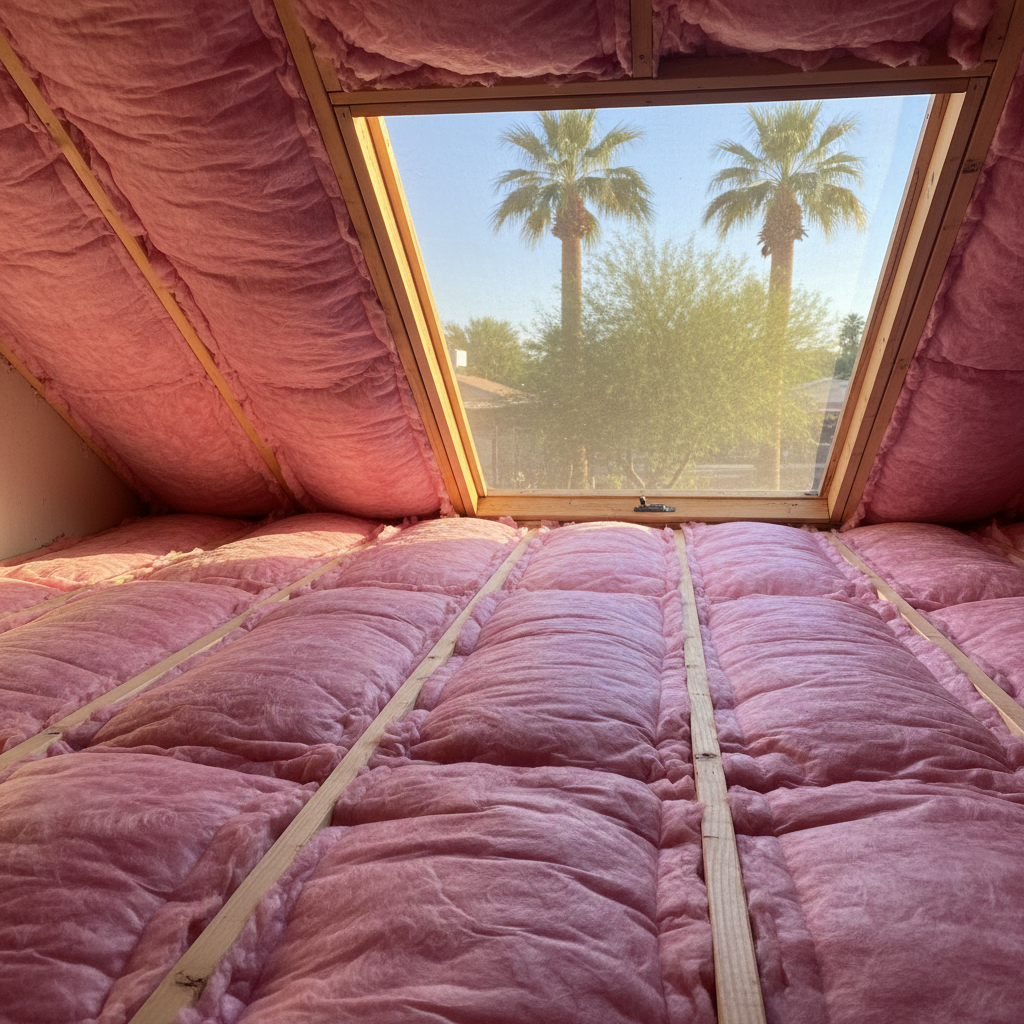
You've probably got batt insulation in your Chandler home, right? Most folks do – usually fiberglass or mineral wool. It works pretty well, especially when it's put in correctly. But, just like anything else around the house, it's not totally maintenance-free, especially with our desert climate constantly trying to wear it down. You want that insulation to last, I bet. So, let's chat about how you can help it stick around longer and keep your home feeling comfortable.
Making Your Batt Insulation Last Longer
The best thing you can do to get more life out of your batt insulation is to shield it from its main enemies: moisture, pests, and plain old physical damage. Here in Chandler, moisture isn't usually from rain pouring in directly. It's more often caused by leaks or condensation. Pests? Well, they’re everywhere, aren't they? And physical damage can easily happen when you're doing other projects around the house.
First things first, make sure your roof is in good shape. I've seen plenty of attics where a small roof leak went unnoticed for months, soaking the insulation and turning it into a soggy mess. Once batt insulation gets wet and just stays that way, its R-value drops significantly, and you might even start seeing mold. So, if you're ever up in the attic for any reason, take a quick peek at the underside of your roof deck for water stains. Do the same for any plumbing vents or exhaust fan ducts running through the attic; just check they aren't leaking.
Pests are another big headache. Rodents, birds, even certain insects just love to nest in insulation. They'll chew it up, compact it, and leave droppings, which all mess with how well it insulates and can even be a health risk. Try to keep your attic sealed up as best you can. Look for gaps around vents, pipes, and where the roof meets the walls. If you spot any, seal 'em up. It's a simple step, but it makes a huge difference, believe me.
Finally, just be careful up there. If you're storing things in the attic or having other work done, make sure nobody's stepping on or squishing the insulation. When batt insulation gets flattened, it loses its loft, and that means it loses its insulating power. It's not like a sponge that bounces back; once it's compressed, it usually stays that way. What a shame, right?
Regular Maintenance: What to Look For
You don't have to be in your attic every single week, but a quick check every year or two is a really smart move. Here's what I'd keep an eye out for:
- Even Coverage: Are there any spots where the insulation looks thin, has shifted, or is completely gone? Sometimes it settles, or gets moved around during other work.
- Moisture Stains: Look for any dark spots or discoloration on the insulation itself, or on the wood framing nearby. This is a dead giveaway of a leak somewhere.
- Pest Activity: See any droppings, nests, or chewed-up areas? If you do, you've definitely got visitors.
- Compression: As I mentioned, look for any areas that are flattened or squashed.
- Ventilation Blockage: Make sure your soffit vents aren't blocked by insulation. You really need good airflow in the attic, especially here in Chandler, to help get rid of heat and stop moisture from building up. If insulation is blocking those vents, that's a problem.
A good time to do this check is during the shoulder seasons, like spring or fall, when it's not absolutely scorching hot in the attic. Grab a flashlight, put on some old clothes, and take a peek.
Warning Signs You've Got a Problem
Sometimes, you'll know there's an issue without even climbing into the attic. Your home will practically tell you. Here are some red flags:
- Higher Energy Bills: If your AC is running more than usual, or your energy bills suddenly jump without a clear reason, compromised insulation could be the culprit.
- Inconsistent Temperatures: Are some rooms noticeably hotter or colder than others? This can point to uneven or damaged insulation.
- Drafts: Feeling drafts, especially near ceilings or walls that meet the attic?
- Pest Noises: Hearing scratching, scurrying, or chirping from your attic? Don't ignore it.
- Musty Odors: A persistent musty smell in your home can signal mold or mildew growth, often linked to moisture issues in insulation.
Our Chandler summers are brutal, let's be honest. If your insulation isn't doing its job, you're not just uncomfortable; you're basically throwing money out the window trying to cool your house. Especially in older homes around Dobson Ranch or Sun Lakes, where the original insulation might be past its prime, these signs are definitely worth paying attention to.
When to Call a Professional
Look, some things you can handle yourself. Shifting a batt back into place? Sure, no problem. But there are times when you really need to call in the pros. If you see widespread mold, a significant pest infestation, or major water damage, that's definitely not a DIY job. Dealing with mold requires proper safety gear and remediation techniques to avoid spreading spores. Pest infestations often need professional removal and sealing to prevent them from coming back.
If you're just not sure about how bad the damage is, or if you're not comfortable navigating a hot, dusty attic yourself, that's also a good time to call. We can do a thorough inspection, figure out the root cause of any problems, and recommend the best way to fix things. Sometimes it's a simple repair; other times, sections of insulation might need to be removed and replaced, or even a full re-insulation might be necessary. Here at Chandler Spray Foam Insulation, we work with all types of insulation, not just spray foam, so we can give you an honest assessment of your batt insulation's condition.
Don't let insulation problems fester. A little proactive maintenance and knowing when to call for help can save you a lot of headaches and money down the road.